When: November 19th 2024
Where: Bangkok, Thailand
The Argentine Shortfin Squid (Illex argentinus) is one of the most landed cephalopods in the world. It is distributed in the South Atlantic Ocean waters and caught in the exclusive economic zone of coastal countries and international waters. In total, nearly 410 thousand tons were landed per year in the recent history of the fishery (i.e., 2010-2019; approximately 10% of worldwide cephalopods landings). The main fleets, according to landings volume, are Argentinian operating in national waters and Asian fleets, mostly operating in international waters and within the Falkland Islands’ economic exclusive zone. Total landings have entered a period of wide fluctuations after growing to over 1 million tonnes in 2000.
The third workshop on the stock assessment and management of the Illex argentinus stock in the South West Atlantic was held between the 19th and 21st of November, 2024, in Hotel Berkeley Pratunam, Bangkok, Thailand. Hosted by the Center for Applied Ecology & Sustainability of the Pontificia Universidad Católica de Chile, the workshop was chaired by independent scientists Dr. Rubén H. Roa-Ureta and Dr. Rodrigo Wiff, and attended by scientists representing government research centers and/or universities from China, South Korea, Brazil, and the Falkland Islands (Islas Malvinas), as well as Alexander Arkhipkin from Fisheries New Zealand, Ministry for Primary industries, as an expert in the assessment and management of cephalopod fisheries, and and Chia-Ying Jessie Ko, from National Taiwan University, Chinese Taipei1 , as an expert in aquatic ecosystems and fisheries science with experience in research focused on Illex argentinus.
Workshop Objectives
The main purpose of the workshop was to make progress in the goal of building a regional database for stock assessment of I. argentinus in the South West Atlantic, including all countries’ fleets, namely Brazil, Uruguay, Argentina, China, Chinese Taipei, South Korea and other fleets having licenses to fish in waters of the Falkland Islands (Islas Malvinas). The main fleets according to landings volume are Argentinian operating in national waters and Chinese, Chinese Taipei and Republic of Korean fleets mostly operating in international waters. Total landings (and those of the main fleets) have entered a period of wide fluctuations after growing to over 1 million tonnes in 2000.
A subsidiary purpose was to present and discuss scientific advances and previous knowledge of the biology and population dynamics of I. argentinus in the South West Atlantic and options for stock assessment models..
Results
Read a summary of the meetings of the 2024 edition here.
Meetings of the previous 2022 edition can be accessed here:
Chairs
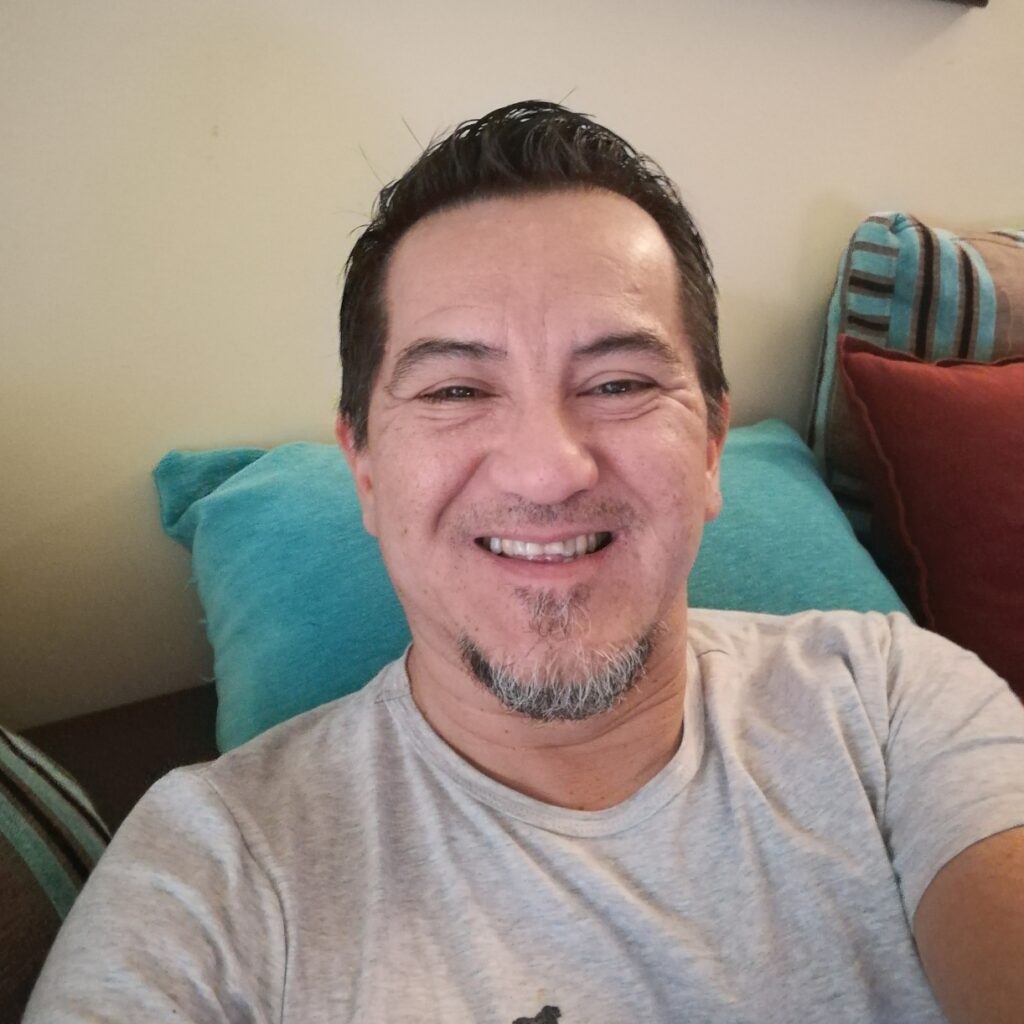
Dr. Ruben Roa-Ureta
Workshop scientific chair
ruben.roa.ureta@mail.com
Dr. Ruben H. Roa-Ureta has worked for 30 years in scientific research in marine ecology and fisheries, authoring over 60 articles in mainstream journals. He has worked in Latin America, Europe, the Middle East, Africa and Asia to help bring sustainability to fisheries through mathematical and statistical modeling of fisheries, biological and ecological data.
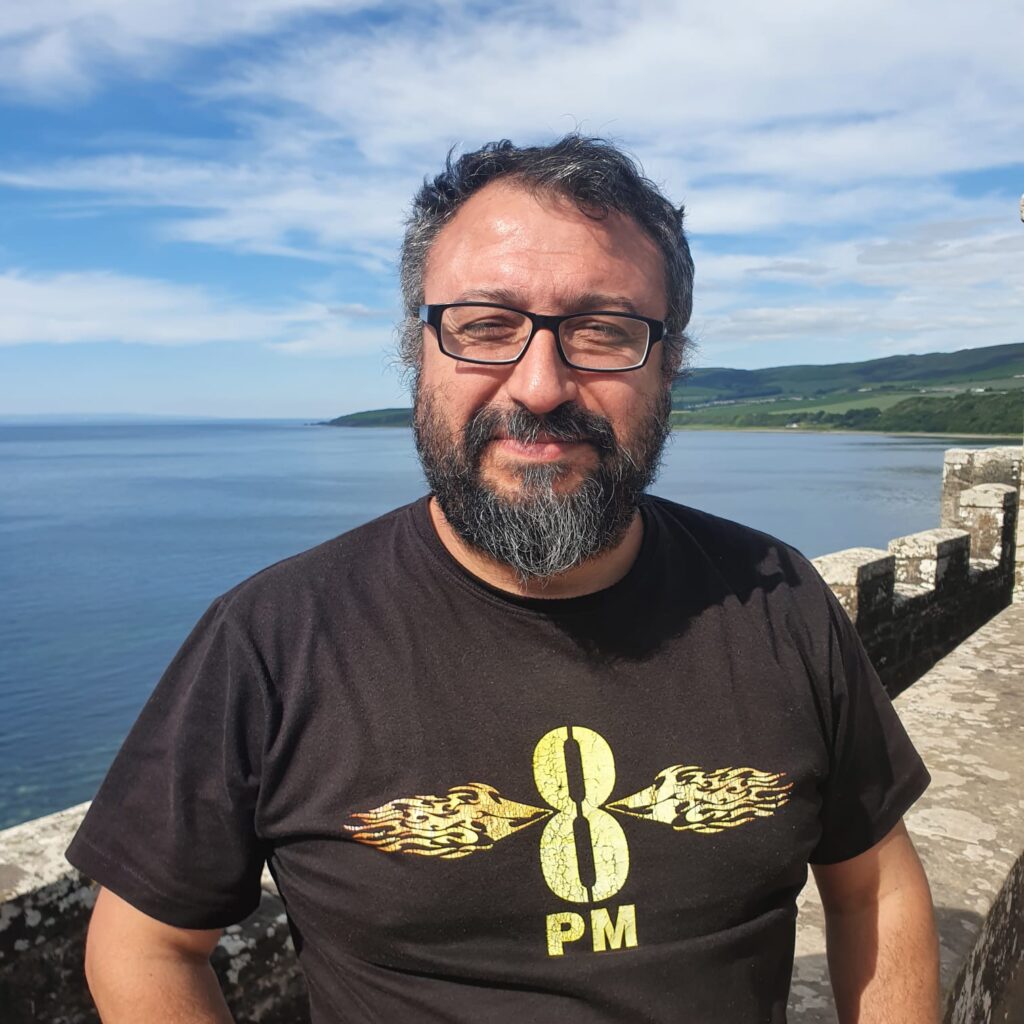
Dr. Rodrigo Wiff
Scientific co-chair
rodrigo.wiff@gmail.com
Dr. Rodrigo Wiff is a Quantitative Ecologist doing research in several aspects of fisheries science. Free-lance consultant and part-time research fellow at the Center of Applied Ecology and Sustainability (CAPES-UC) and The Coastal Social-Ecological Millennium Institute (SECOS).